
BBIU Completion Enables Direct-to-Device Connectivity in Rural Markets
Oct 16, 2025
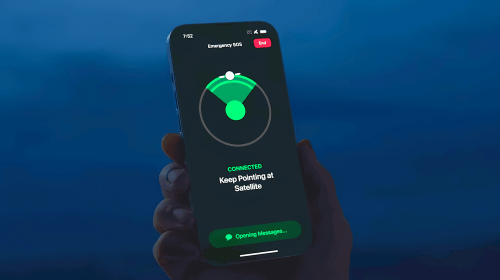
A major milestone that EchoStar has made in its satellite spectrum portfolio is through gaining the topmost priority spectrum rights in 2 GHz band in a non-geostationary orbit (NGSO) satellite constellation. This is a crucial step in the strategic positioning of the company in the world satellite communications market. This accomplishment has significant implications for the future of Direct-to-Device services of the next generation especially in underserved areas. An executive at SpaceX stated that the development is in the realm of significant importance to the planned Starlink Direct-to-Cell service that will be operated within the EchoStar spectrum allocation in Australia, which is why this regulatory accomplishment is of such significance to the wider satellite communications ecosystem.
 EchoStar HQ. Credit: EchoStar
EchoStar Global Australia successfully completed the Bringing Back Into Use (BBIU) process with the International Telecommunication Union (ITU) with respect to the SIRION-1 satellite filing. This regulatory completion creates a framework requiring all other operators using overlapping frequencies to coordinate their operations with EchoStar under the SIRION-1 name. The BBIU process is a complete regulatory process, which provides legitimacy to EchoStar’s spectrum rights, and legal standing for spectrum protection. Through this process, EchoStar has strengthened its competitive advantage and granted its satellite operations priority status in frequency bands that are shared.
As part of the implementation of the BBIU process, EchoStar Global Australia launched Lyra-4 satellite on June 28 with a Rocket Lab mission. It has since been confirmed that the satellite was for an undisclosed customer, but this has since been determined to be the Lyra-4 IoT satellite, a key element of the Lyra constellation project of EchoStar Global Australia. This satellite is a part of a series of satellites known as NGSO satellites and is aimed at providing global connectivity services. The Lyra constellation is based on SIRION filings which were purchased by EchoStar in the 2019 acquisition of Helios Wire, which shows the long term strategic planning of this constellation development.
The Lyra-4 satellite contains cutting-edge technology aimed at achieving full device connectivity throughout the world market. The spacecraft is a sophisticated software-defined radio with onboard storage and processing facilities that allow two-way device connectivity. The satellite uses the technology of the LoRa protocol for the connection of low-cost, long-lived devices in large geographic areas and finds particular application in the Internet of Things in remote areas. Also, EchoStar plans to engineer 5G New Radio (NR) compliant non-terrestrial network functions that meet the requirements of 3GPP release 17, making the constellation the leader of satellite-based 5G technology.
EchoStar expressed the strategic value of these accomplishments, and according to the company communications, it is the first significant step towards the operation of next-generation Direct-to-Device services, especially in rural and regional areas all over the world. The Lyra constellation is operated by the company through its Australian subsidiary EchoStar Global by taking advantage of the regulatory environment and technical capabilities in the region. Apart from Australia, EchoStar has built a mobile satellite services network in Europe using the geostationary EchoStar XXI satellite via its European subsidiary company, EchoStar Mobile Limited. This geographical diversification demonstrates the company’s commitment to have a real global network of satellite services that can cater to various market segments and regulatory jurisdictions.
The significance of the successful completion of the BBIU process by EchoStar is demonstrated in communications by David Goldman, the vice president, Satellite Policy at SpaceX, as this apparently technical regulatory milestone carries profound implications for Australian consumers and the international satellite services. Goldman observed that SpaceX will use the EchoStar S-band spectrum rights worldwide to drive its next-generation Starlink Direct-to-Cell service to generate synergies between the satellite programs of both organizations. He said that BBIU completion would mean that all the operators in overlapping frequencies would have to coordinate with SIRION-1, which will secure the spectrum allocation of EchoStar and allow the expansion of services offered by SpaceX. SpaceX is currently acquiring EchoStar’s S-band and Mobile Satellite Spectrum licenses specifically to support this Direct-to-Cell service development, and it is a significant commercial partnership between the satellite operators.