
Can Sovereign Demand Make Up for Telesat’s Lightspeed Delay?
Nov 21, 2026
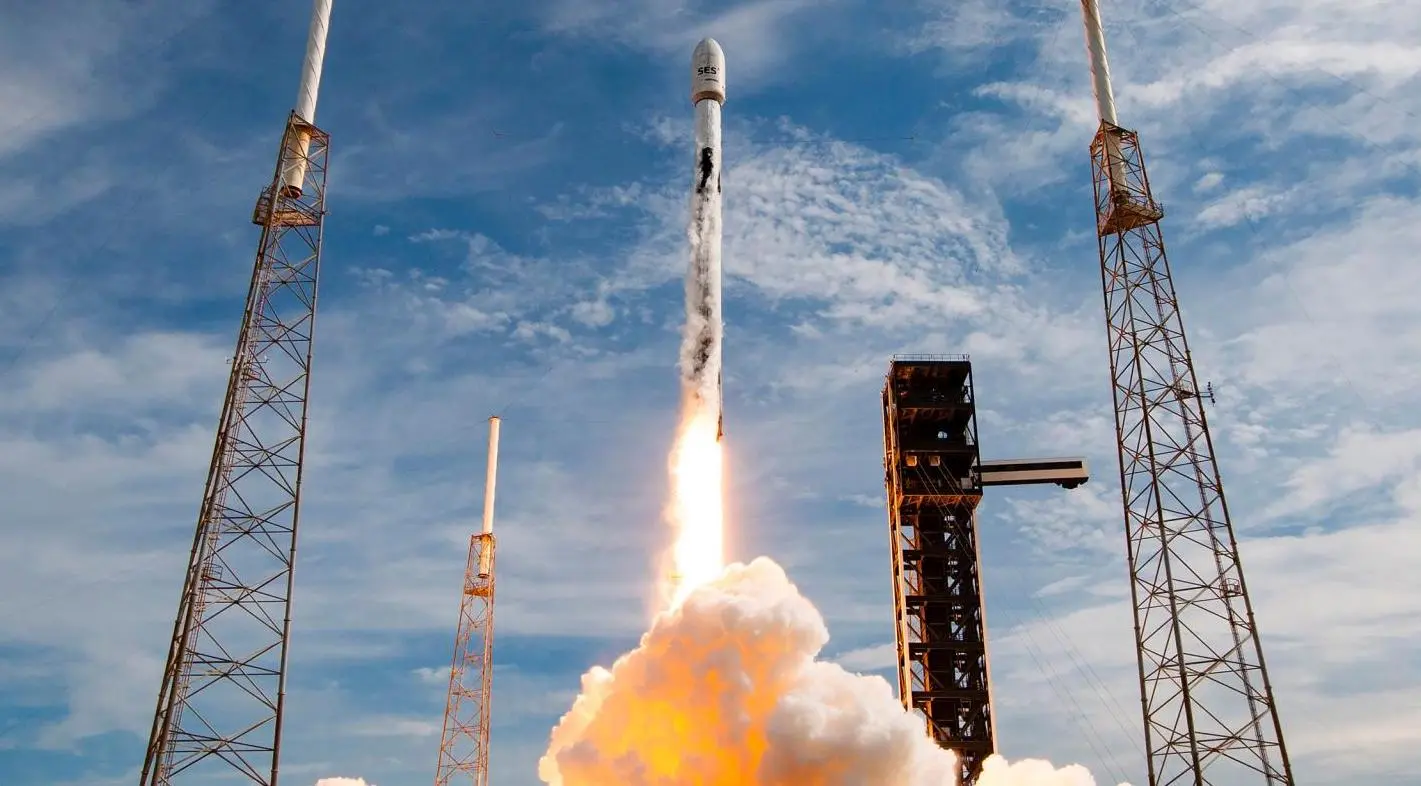
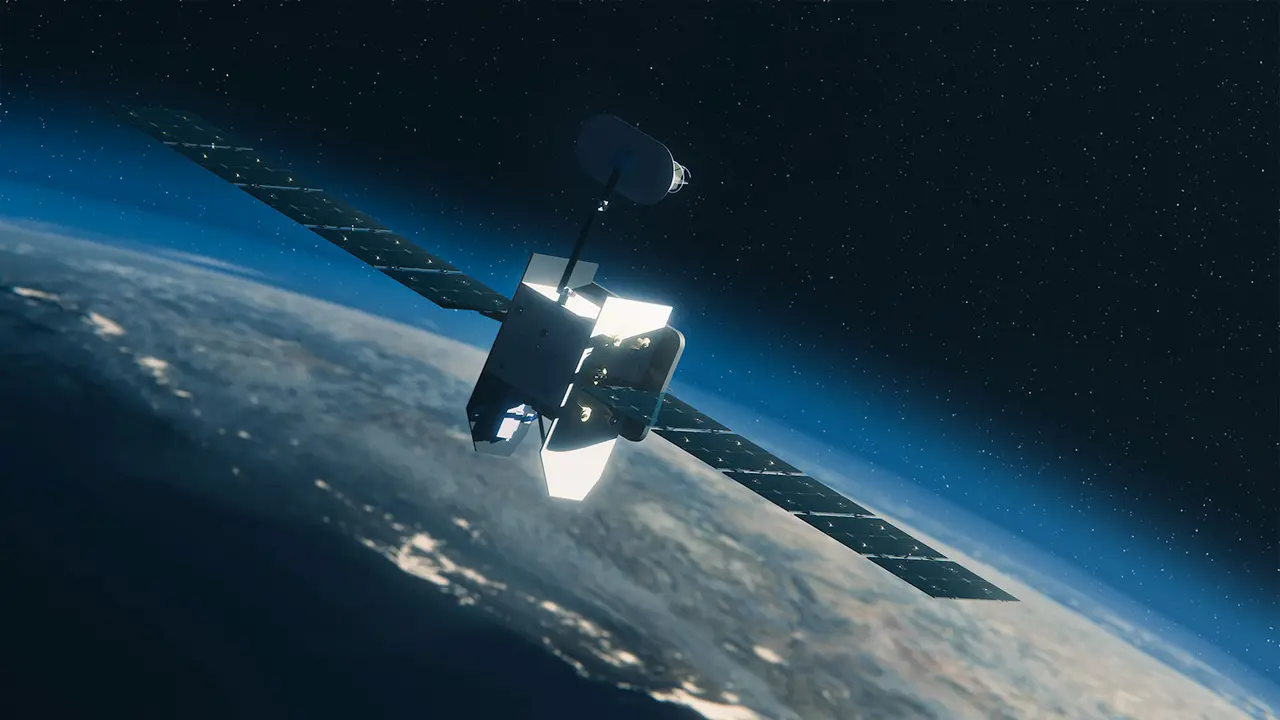
Telesat has pushed back the commercial rollout of its Lightspeed low Earth orbit constellation, so full global service is now expected by the end of the second quarter of 2028. The cause sits on the ground rather than in space. During an earnings call, the Canadian operator said that assembly and software problems at MDA Space, the prime contractor, slowed down the first two pathfinder satellites. Those spacecraft were supposed to fly earlier, but they will now launch on a SpaceX rideshare mission after the work is finished.
 Credit: Telesat
Dan Goldberg, the chief executive of Telesat, said that the company decided against dedicating an entire Falcon 9 launch to two test satellites because the commercial launch market is tight. Once the pathfinders reach orbit, they will go through a 60-day test campaign to check every subsystem before the main deployment starts. Telesat has 14 dedicated Falcon 9 launches under contract and plans to buy a 15th to carry the rest of the fleet. About 96 satellites are needed for baseline global coverage, while all 225 are expected to be operational by the end of deployment. Goldberg also noted that geopolitical tensions and recent Starlink disruptions in Ukraine have pushed more customers toward secure, sovereign networks.
The constellation is not the only thing Telesat is building with partners. Dominion Dynamics, an Ottawa defence technology company, has teamed up with Telesat LEO, a subsidiary of Telesat Corporation, to develop ruggedized antennas for Lightspeed. The antennas are designed to link soldiers on the ground and uncrewed military platforms to the constellation. The project is valued at $2.2 million and is supported by a contribution from the National Research Council via its Industrial Research Assistance Program. It aims to provide operators in the Arctic with a Canadian-controlled connection to command centres throughout the country. Dominion is the prime contractor, Telesat LEO is the subcontractor, and both want the intellectual property created and kept in Canada.
Once the first phase is complete, Dominion plans to design and manufacture two prototype terminals. The smaller one is designed to be carried by a dismounted soldier, while the bigger one is meant for uncrewed platforms, Scout among them. Scout is being developed as Canada’s first sovereign Autonomous Collaborative Platform, and it is an uncrewed combat aircraft that should extend the reach of Canada’s future fighters. The Canadian Armed Forces are expected to be the first customer, which is why the terminals are being built to cope with Arctic and expeditionary conditions, operate on tactical power supplies and plug into existing hardware through open interfaces. Dominion COO Mitch Carkner said soldiers in remote areas and uncrewed platforms should use a Canadian network and domestic equipment. He added that the technology could serve the Canadian Rangers, Coast Guard, RCMP and emergency teams in the North. Telesat vice president Stephen Hampton said the project shows Canadian firms joining forces for sovereignty and a stronger defence industry. Taken together, the delay and the defence work suggest that Telesat is leaning on sovereign connectivity as a key selling point.