
How Will Terabit-Scale Capacity Transform Maritime Connectivity?
Dec 16, 2025
Inmarsat Maritime has outlined the next phase of its NexusWave service as it prepares to integrate additional capacity from Viasat’s next-generation satellites. The update follows the successful launch of the ViaSat-3 Flight 2 satellite and comes ahead of the planned deployment of ViaSat-3 Flight 3 later this decade. Together, these milestones represent a significant expansion of the underlying satellite infrastructure that supports NexusWave and are expected to materially increase available bandwidth for maritime customers operating across multiple regions.
 NexusWave promo. Credit: Inmarsat
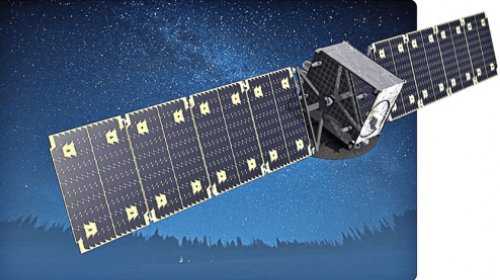
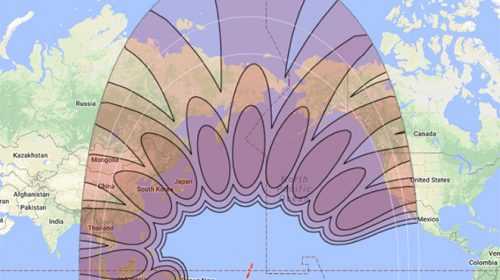
The ViaSat-3 system, in turn, is built on a constellation of three Ka-band geostationary satellite that orbit above the equator at an approximate distance of 22,236 miles. The satellites have complex payloads that can dynamically assign capacity to its coverage area, allowing bandwidth to be concentrated in areas that have the most demand. This flexible capacity management is designed to support major shipping lanes, congested port areas, and offshore activity zones where connectivity needs may vary greatly.
In 2023, the first satellite in the series, ViaSat-3 Flight 1, was launched and began commercial service in 2024, where it is now utilized, among other things, to provide high-speed in-flight connectivity to aviation customers. ViaSat-3 Flight 2 will provide over one terabit per second capacity in the Americas when it goes into service in early 2026, and Flight 3 will provide similar throughput in the Asia-Pacific region later in the same year. The three satellites combine to create the largest capacity geostationary network to date of Viasat.
Once ViaSat-3 Flights 2 and 3 become operational, the customers of NexusWave are expected to notice a tangible improvement in the network performance. The new capacity across the Americas and Asia-Pacific will supplement to the existing Ka-band based services offered by Inmarsat and will help provide a more consistent speed, reduced congestion, and user experience across the worldwide routes. The increased constellation is also meant to improve the overall network efficiency, increase effective coverage as well as the flexibility in the way capacity is assigned to maritime users.
To support the higher data rates enabled by the new satellite capacity, Inmarsat Maritime is introducing the VS60 maritime terminal, developed by Intellian and incorporating Viasat’s software-defined radio technology. The terminal supports bandwidth-intensive enterprise, operational, and mission-critical applications. During recent sea trials, the VS60 demonstrated download speeds exceeding 250 Mbps, underscoring its suitability for next-generation maritime connectivity demands. The terminal also integrates multiple layers of cybersecurity and resilience features aimed at protecting sensitive data and ensuring reliable operation in challenging maritime environments.
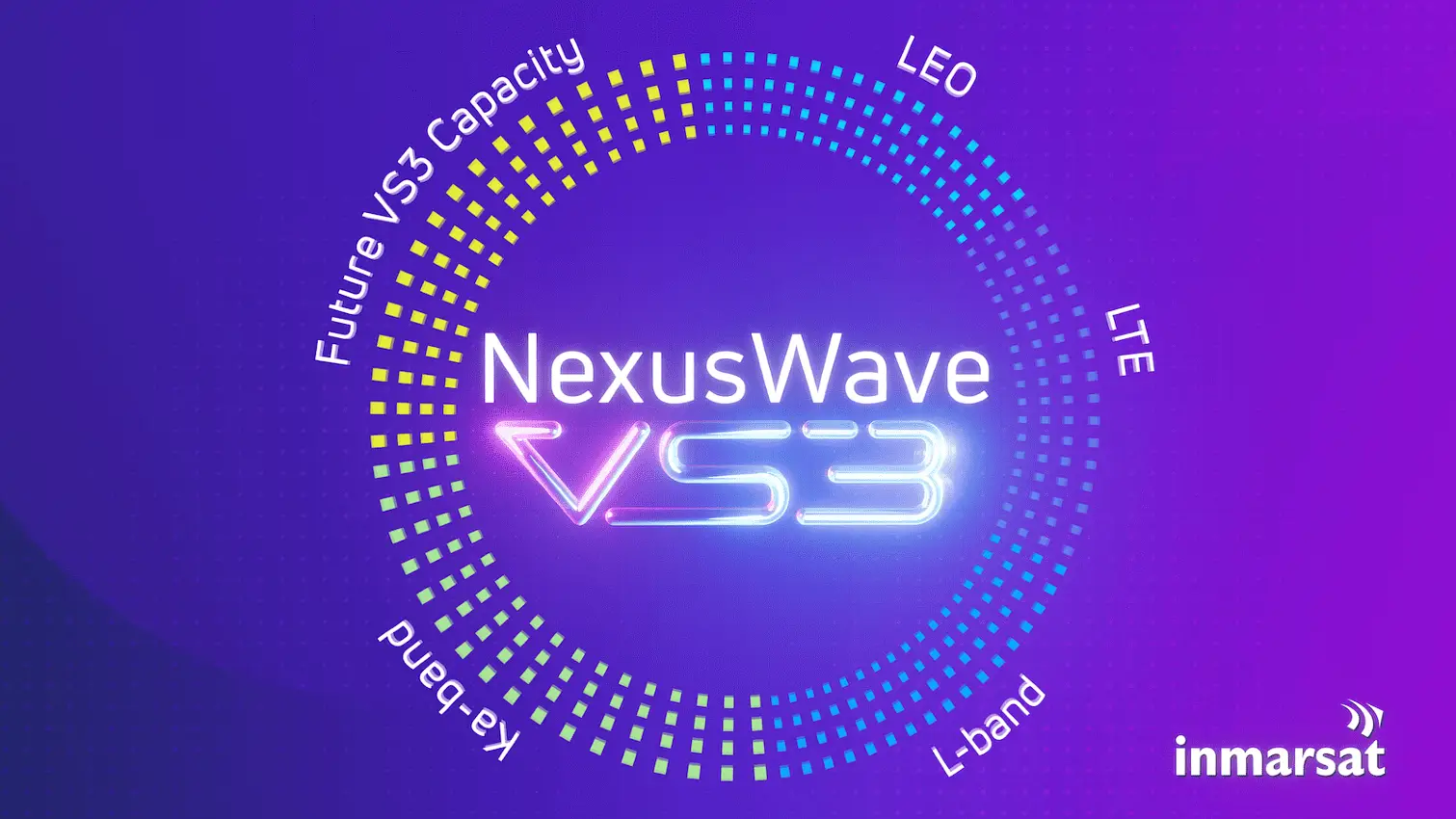
NexusWave is a fully managed, bonded connectivity service that seamlessly and effectively integrates multiple networks into a single solution for global maritime operations worldwide at sea. The platform combines Ka-band capacity from geostationary satellites, low Earth orbit connectivity from Eutelsat OneWeb, terrestrial LTE networks where available, and resilient L-band services within an open, scalable, multi-network architecture. The integration of ultra-high-capacity ViaSat-3 satellites represents a central pillar of this strategy, enabling NexusWave to meet rising performance expectations while supporting long-term digital transformation initiatives and improved onboard connectivity for crews.