
Luxembourg-Based Venture Shows Direct-to-Device Emergency Alerts
Dec 13, 2025
OQ Technology has established itself as the first European satellite operator to successfully transmit an emergency broadcast message directly to unmodified smartphones from low Earth orbit. The Luxembourg-based venture announced this breakthrough on November 19, 2025, demonstrating capabilities that could be key when things go wrong with regular networks. This move makes Europe competitive in the fast-evolving direct-to-device satellite communications market, which has been predominantly led by American companies. The demonstration gets Europe closer to establishing European sovereignty in space-based emergency communications.
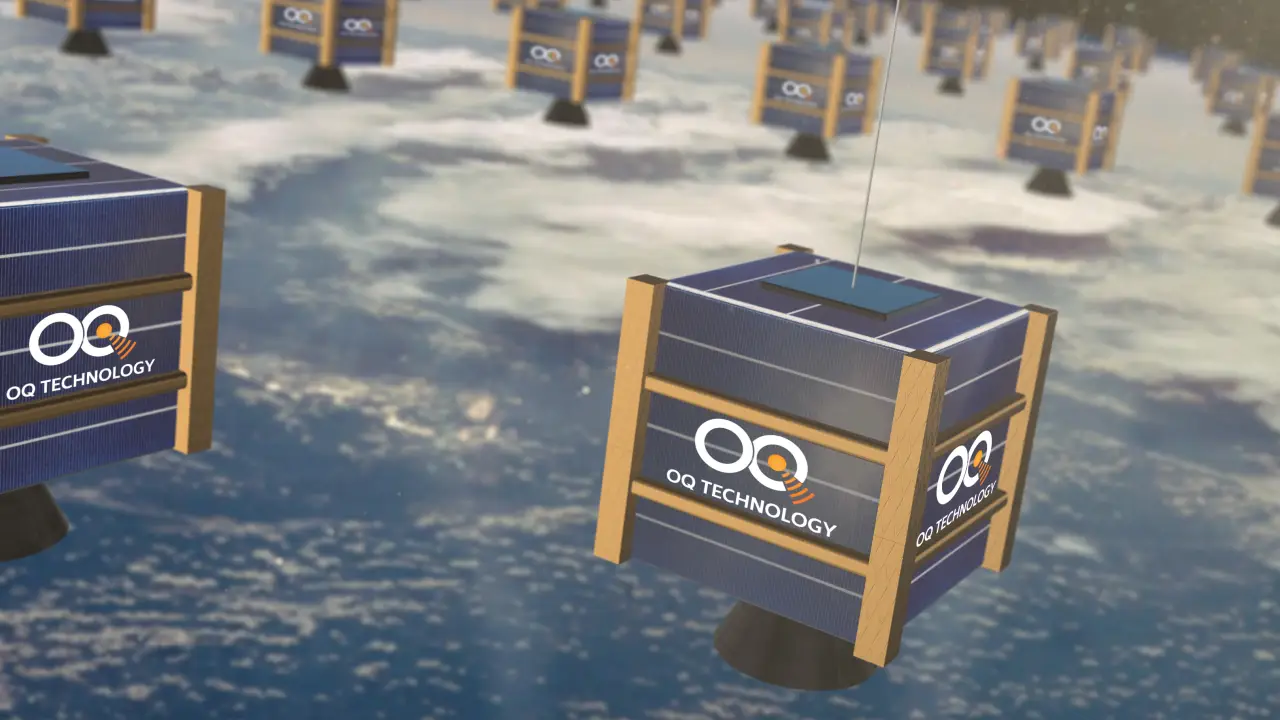 QQ Technology promo. Credit: OQ Technology
According to the founder and CEO of OQ Technology, Omar Qaise, the demonstration was conducted earlier in November, in the remote location in Luxembourg which did not have any terrestrial network coverage. He said that the place was specifically selected to simulate the difficult situation that is usually faced in case of disasters or hacks, or a major infrastructure failure. Qaise stressed that common smartphones like Google Pixel, Samsung, or iPhone could connect directly to an OQ satellite and receive emergency messages without internet.
Technical Specifications and Expansion Plans
The 60 megahertz of S-band spectrum was used to relay the emergency message via space by the company, demonstrating a real-life use of frequencies that OQ Technology has licensed in various jurisdictions. This technological compatibility is a major strength in the competitive direct-to-device market, where working with terrestrial networks is an important issue. The successful application of S-band spectrum proves that the application of such frequencies in emergency communications is feasible and it may provide a new regulatory avenue in the same application throughout Europe.
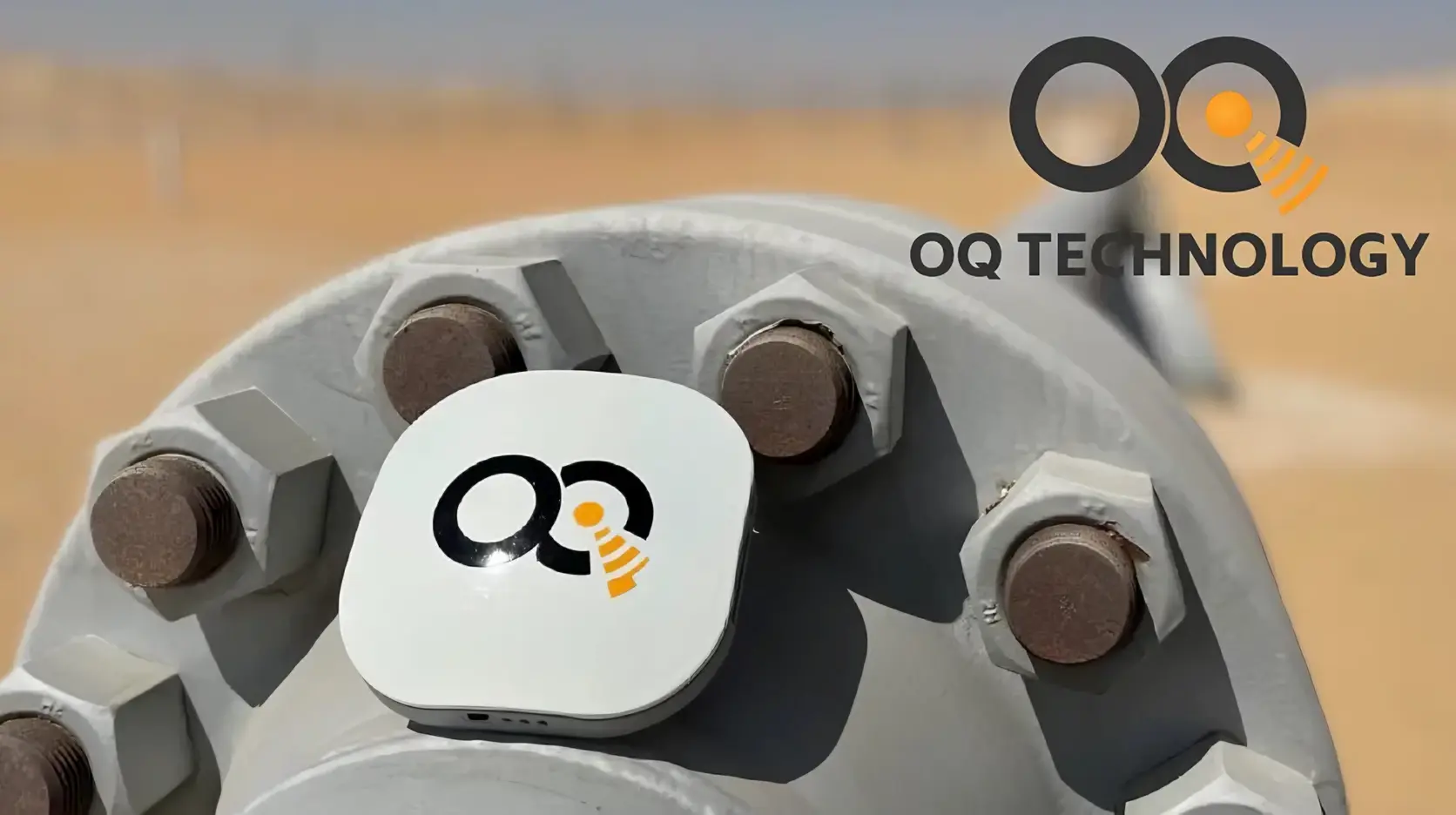
 OQ terminal in the desert. Credit: OQ Technology
OQ Technology has already launched ten small satellites to orbit and has a plan of increasing its constellation to a considerable number in the next few years. The company would like to bring a total of thirty more satellites to the network next year and this would allow the two-way direct-to-device texting possibilities to be demonstrated. The company’s plans include reaching one hundred satellites in the coming three years that would enhance the coverage significantly and would facilitate the expansion of direct-to-device services, voice communications included. This staged rollout plan is the indication of the systematic nature of the company to develop a holistic satellite network that handles different communication needs in Europe and further.
European Sovereignty and Market Competition
Although American satellite operators like Globalstar have already shown how direct-to-device emergency services and more robust functions can be done, Qaise pointed out the paramount necessity to build an alternative, controlled by Europeans, as an essential communications infrastructure. He highlighted that in the age of more and more cybersecurity threats and more intense geopolitical tensions, Europe must have sovereign, direct-to-device, space-based communications that the Europeans can count on. Qaise has pointed to a large-scale cyberattack that happened to a Luxembourg telecommunications firm in July, which interfered with emergency response call numbers and showed the insecurity of on-the-ground-only communications systems. This incident showed why Europe needs alternative, space-based communication systems that work without ground infrastructure during a crisis.
 OQ Technology promo. Credit: OQ Technology
The OQ Technology announcement follows the announcement of Texas-based direct-to-device venture AST SpaceMobile just a few weeks prior, registering plans with international regulators via Germany for a space-based network that was intended to provide broadband services directly to the devices in Europe. This rival network would be run by a Luxembourg based joint venture that AST has formed with key European telecommunications companies, which intends to offer cellular frequencies to facilitate services in ten countries pending regulatory allowances and installation of other satellites. The joint venture is trying to gain access to seven hundred megahertz of public protection and disaster relief frequencies and the two gigahertz of S-band spectrum that is to be renewed in 2027 in order to offer the pan-European services. This competitive environment underscores the increased attention to direct-to-device satellite communications in the European market and the strategic significance of obtaining spectrum allocations.
Current Services and Future Vision
OQ Technology is now using its S-band frequencies to offer IoT connectivity in countries like Australia, Saudi Arabia, Rwanda, and Nigeria. In September 2025, the company announced that it had expanded its satellite connectivity services to remote IoT devices to Australia after being granted a license to utilise S-band spectrum to support non-terrestrial 5G IoT services with its constellation. According to Qaise, high demand for space-based connectivity was growing rapidly in the company especially in the oil and gas industry, agriculture and mining industry where the coverage of the terrestrial is in most cases limited or absent. He pointed out that OQ Technology provides its services by combining its own licensed spectrum together with over twenty roaming agreements with terrestrial telecommunications companies around the globe and forming a hybrid network that uses maximum coverage and reliability.
The enterprise customer segment of the company consists of such high-profile organizations like Aramco, the state-owned Saudi Arabian oil and gas giant, proving that its satellite IoT services are economically viable. Most recently, the Dutch telecommunications company KPN joined the list of telcos to declare that it entered into an agreement with OQ Technology as an addition to its list of space-based partners to provide a full range of IoT coverage both on land and sea. In 2025, OQ Technology had earlier received funding through an accelerator program funded by the European Union with specific goals of assisting the company in facilitating direct-to-space connectivity of mass-market smartphones. Such relationships and funding successes demonstrate the increased industry awareness of the capabilities of OQ Technology and strategic significance of European-based satellite communication companies.
Qaise has already said that the operator hopes to rollout a commercial direct-to-device text messaging service by the end of 2026 and is entering a market that is dominated by American players but has a huge potential of growth in Europe. He claimed that as a European LEO operator, with both non-terrestrial network IoT and direct-to-device, and with standardized spectrum allocations, OQ Technology was the possible European sovereign LEO direct-to-device operator, compared to other international players, who did not have such regional advantages. The final vision of OQ Technology is to run a constellation of eighty-two satellites in low Earth orbit to offer global 5G IoT and direct-to-device services to scale. With a successful implementation of this ambitious roadmap, OQ Technology would be a big player in the global satellite communications business and Europe would enjoy the independence of having critical communications infrastructure both in business and in times of emergency.