
UK Startup Targets Southeast Asia with Solar-Powered Aircraft
Jul 26, 2026
British aerospace company Avealto opened a $50 million funding round on Monday to move its stratospheric broadband platform from prototype into production. The money is earmarked for a new UK manufacturing site, a full-scale flight demonstration, and the rollout of initial commercial service across Southeast Asia.

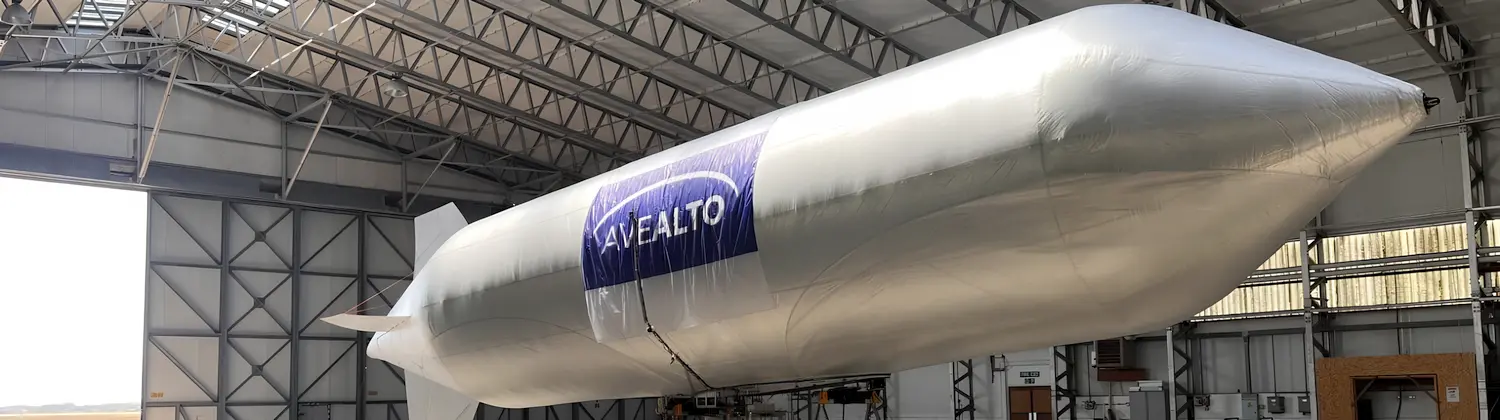 Credit: Avealto
Avealto’s platform falls under the high-altitude platform station category, using long-endurance, solar-powered aircraft that hold position roughly 20 kilometers up, above both commercial air traffic and most weather. Each unit is designed to cover about 45,000 square kilometers of ground, feeding capacity directly into existing mobile networks rather than competing for retail subscribers. That wholesale-only approach is meant to undercut satellite capacity pricing by around 80 percent, a gap the company is betting telecom operators in underserved regions will find hard to ignore.
Avealto has locked in a production site at Lydd Airport in Kent, expected to create 40-50 engineering jobs at scale, and is in talks with Malaysian operators, building on a 2023 MoU with Indonesian partners. CEO Walt Anderson framed the pitch around economics rather than engineering alone, arguing that satellite constellations were never built to reach the several billion people still lacking affordable connectivity. He also pointed to the absence of rocket launches, orbital debris, and atmospheric particulates from deorbiting satellites as an environmental case for solar-powered aircraft over mass-produced orbital fleets.
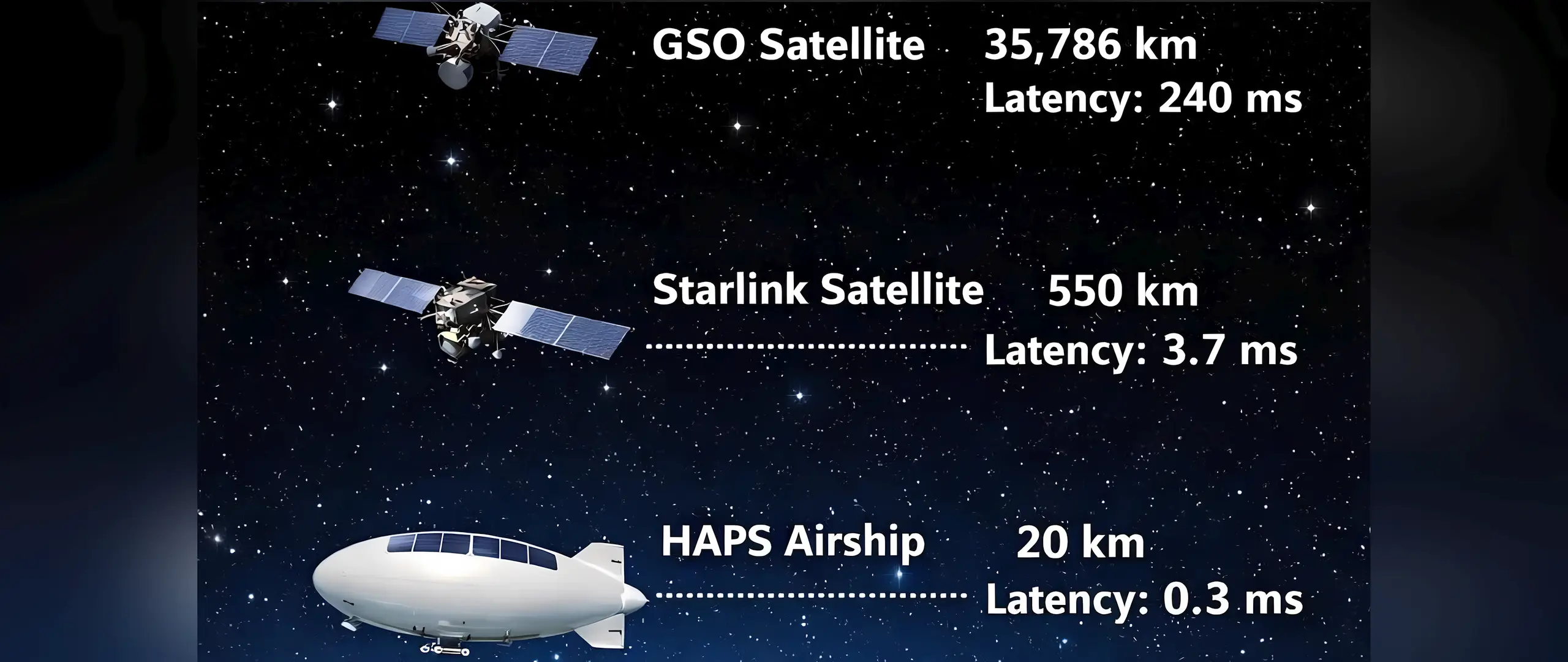 Key Differences Between GEO, LEO, and HAPS Broadband Platforms. Credit: Google
Avealto isn’t the first company chasing this idea, and the comparisons write themselves. Google’s Project Loon spent nearly a decade floating balloons through the stratosphere before Alphabet shut it down in 2021 after the project burned through roughly $100 million a year without finding a sustainable business model, partly because each balloon needed replacing every five months. Airbus subsidiary AALTO is pursuing something architecturally closer to what Avealto claims to be building, a solar-powered fixed-wing aircraft called Zephyr with a 25 meter wingspan that weighs only about 75 kilograms. Zephyr already holds an endurance record of 67 days, six hours, and 52 minutes in the air, with AALTO ultimately targeting missions stretching to 150 days, and the company is currently working through UK Civil Aviation Authority certification while running flight campaigns out of Kenya and Spain. Where Loon simply drifted with the wind and needed constant replacement, both Zephyr and, apparently, Avealto’s craft are meant to hold a fixed position for extended stretches, which is the real technical hurdle none of Loon’s balloons ever solved.
Avealto expects its $50 million raise to close within the next 12 to 18 months, with assembly ramping up at the Kent facility ahead of a public prototype flight demonstration planned for Wales in September. Whether the company can actually deliver the endurance and station-keeping that separates a viable HAPS platform from Loon’s balloons remains to be seen, and that gap is likely to be the real test of whether this round of funding turns into a working network. For telecom operators watching from Southeast Asia, the pitch is straightforward even if the underlying engineering is not, cheaper capacity without the environmental and logistical baggage that came with earlier attempts at stratospheric connectivity.