
New Venture Targets Remote Area Coverage and Disaster Resilience
Nov 19, 2026
Rakuten Group and AST SpaceMobile have agreed to set up a joint venture in Japan, and the idea is simple enough on paper. The company will be called Rakuten AST, it will sit in Tokyo, and Ryoji Osaka will run it as chief executive. It starts with 100 million yen in capital, which looks tiny next to the funding it expects to receive. Rakuten Group will hold 51 percent of the voting rights, while a Japanese subsidiary of AST SpaceMobile will hold the remaining 49 percent. The government set everything in motion by picking Rakuten’s proposal for its J-LEO project, and the partners moved quickly to build a company around that win.
 Credit: AST SpaceMobile
J-LEO is short for Japan Low Earth Orbit Satellite Communications Project, and it comes from the Ministry of Internal Affairs and Communications. The ministry selected a joint proposal from Rakuten Mobile and a Rakuten preparatory company because it wants a satellite network that is managed and operated inside the country. Rakuten AST can receive up to about one billion dollars, or roughly 148 billion yen, over three years. That money will move through the Communications and Information Network Association of Japan, which acts as the fund administrator. For a venture that has to buy satellites and keep them running, this kind of backing matters a great deal.
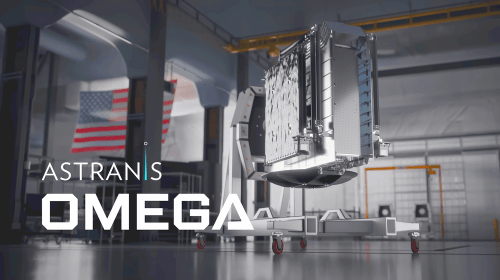
On the technical side, AST SpaceMobile will build and supply the satellites, each with a huge phased array of about 223 square meters. The system operates in the mid-band spectrum that ordinary phones already support, meaning that people can stream video, make calls and scroll social media without needing special handsets or accessories. The base stations remain on the ground in Japan, so local operators retain control over traffic routing. The partners also intend to introduce AI capabilities for spectrum management and edge computing, a next-gen layer that goes well beyond what previous-generation satellite phones with bulky hardware could offer. One framework that includes satellite purchase and daily operation would help Japan create communications that withstand natural disasters and improve its communications environment, said Mickey Mikitani, chairman and chief executive of Rakuten Group.
The network is designed to cover remote areas and to enable emergency roaming between carriers during natural disasters. The IoT connections are also anticipated to be used by businesses in the logistics, construction, agriculture and infrastructure monitoring sectors. Abel Avellan, who leads AST SpaceMobile, said that the project proves space-based broadband is a necessary partner for ground networks and not a replacement. The partnership between Rakuten and AST SpaceMobile is not a sudden move, but rather a logical progression, as Rakuten has been supporting AST SpaceMobile for years. Rakuten Mobile will begin commercial testing soon, and full domestic service is expected within a few years. The companies also aim to sell spare capacity abroad via AST SpaceMobile, but that will require regulatory approval first. There are still plenty of things that can go wrong, as launches are difficult and schedules slip, but if it works, travelers and rural residents will have fewer dead zones.