

Is the AI Data Center Surge Squeezing Satellite Networks?
Jul 17, 2026
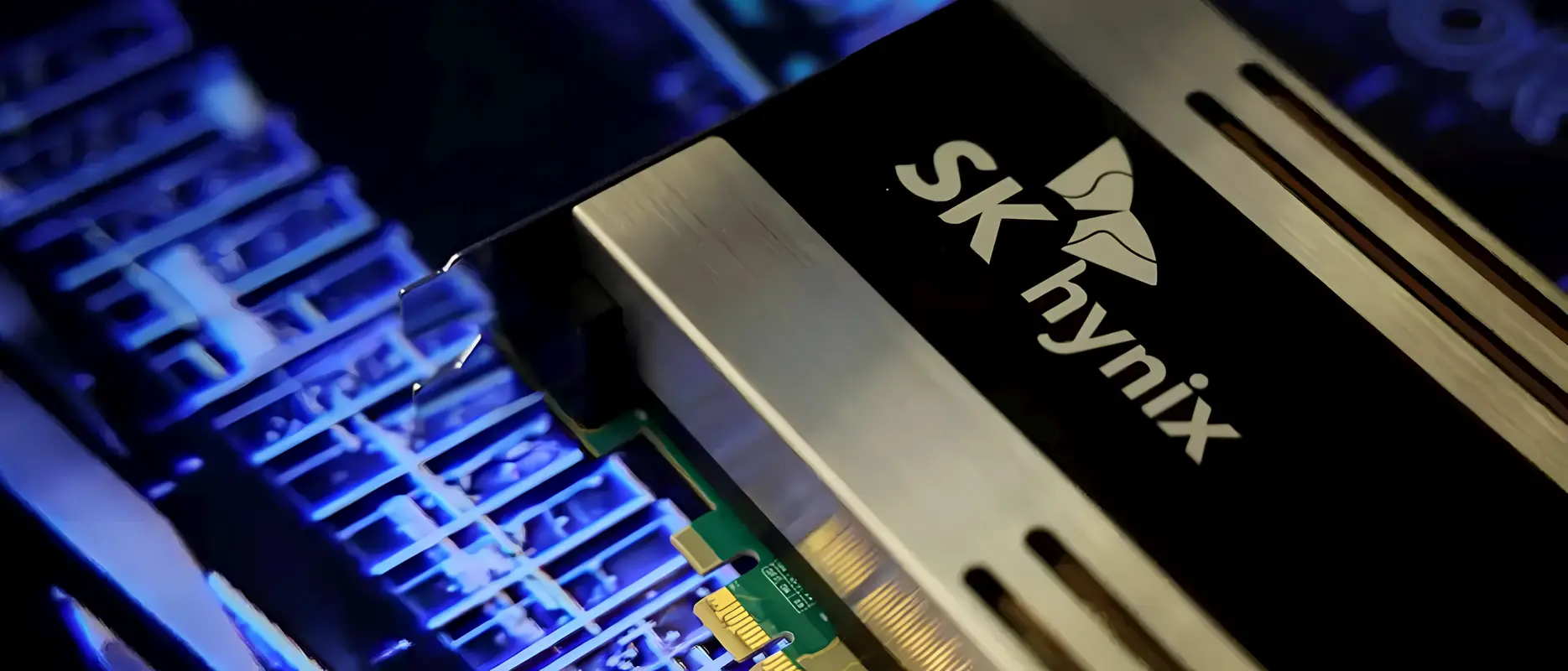
Memory chip manufacturers globally are going through a structural transformation that has quietly reshaped who gets access to affordable components. For decades the industry built enormous capacity around a standard type of memory DDR4, a technology found inside routers, satellite terminals, gateways, industrial controllers and countless other connected devices. That capacity is now being redirected toward a different category of chip called High-Bandwidth Memory, which is used in the hardware clusters that power artificial intelligence data centers. Because these AI-focused chips generate far higher profit margins per wafer, manufacturers have little financial incentive to keep older production lines running at the same scale.
 Credit: Google
Industry analysts now estimate that roughly seventy percent of all memory chips produced worldwide will be routed toward high-density data centers through the remainder of this year and well into next year. Wholesale inventory levels for legacy memory variants have fallen sharply, dropping from a stable multi-week buffer that distributors once relied on down to just a few weeks of operating reserve in many regions. The three companies that historically controlled more than ninety percent of the world’s DRAM output have already locked their production capacity into long-term agreements that stretch well past 2027. For any business that depends on a steady, affordable stream of legacy memory chips, this is not a temporary blip but a genuine reordering of the supply chain.
Why Ground Segment Equipment Faces a Shortage
Satellite communication depends on far more than the spacecraft orbiting overhead. The ground segment, meaning the physical infrastructure that receives, processes and routes signals on the Earth’s surface, plays an equally critical role, and much of that infrastructure runs on the same category of memory now caught in the supply crunch. VSAT terminals, which convert satellite signals into usable data streams for ships, aircraft and remote sites, typically rely on embedded processing modules that use conventional DRAM rather than the specialized high-bandwidth memory found in AI hardware. The same applies to teleport gateways and other fixed ground stations that manage large volumes of signal traffic between satellites and terrestrial networks.
This overlap matters because these devices were engineered years ago around component families that were assumed to remain cheap and abundant. When the underlying memory market shifts as dramatically as it has, engineering teams face a difficult choice between absorbing higher component costs, waiting longer for shipments, or redesigning hardware around alternative memory standards. None of these options are simple or fast in an industry where equipment must meet rigorous certification standards before it can be deployed. For companies planning new terminal production runs or ground station upgrades, the memory market has quietly become a variable worth tracking alongside more traditional cost drivers like RF components and antenna hardware.
The LEO Expansion Adds a New Layer of Demand
This shortage comes at a time when satellite communications is experiencing one of its largest construction programs ever. Low Earth orbit (LEO) constellations from operators like Amazon Leo and OneWeb are growing in numbers at an increasing rate, with thousands of satellites being launched over just a few years and extending coverage into areas where there was little or no reliable connectivity. As more satellites are launched onto these networks, they each need ground-based infrastructure to utilize the capacity, as a constellation is only as useful as the terminals and gateways that can receive its signal. This buildout is occurring at the same time as other operators are also making plans to expand with multi-orbit strategies, further adding to the amount of ground equipment that will need to be produced over the next few years. More satellites in orbit means more terminals, more gateways and more processing equipment on the ground, all of which draw on the same memory components now being strained by the AI-fueled data center boom.
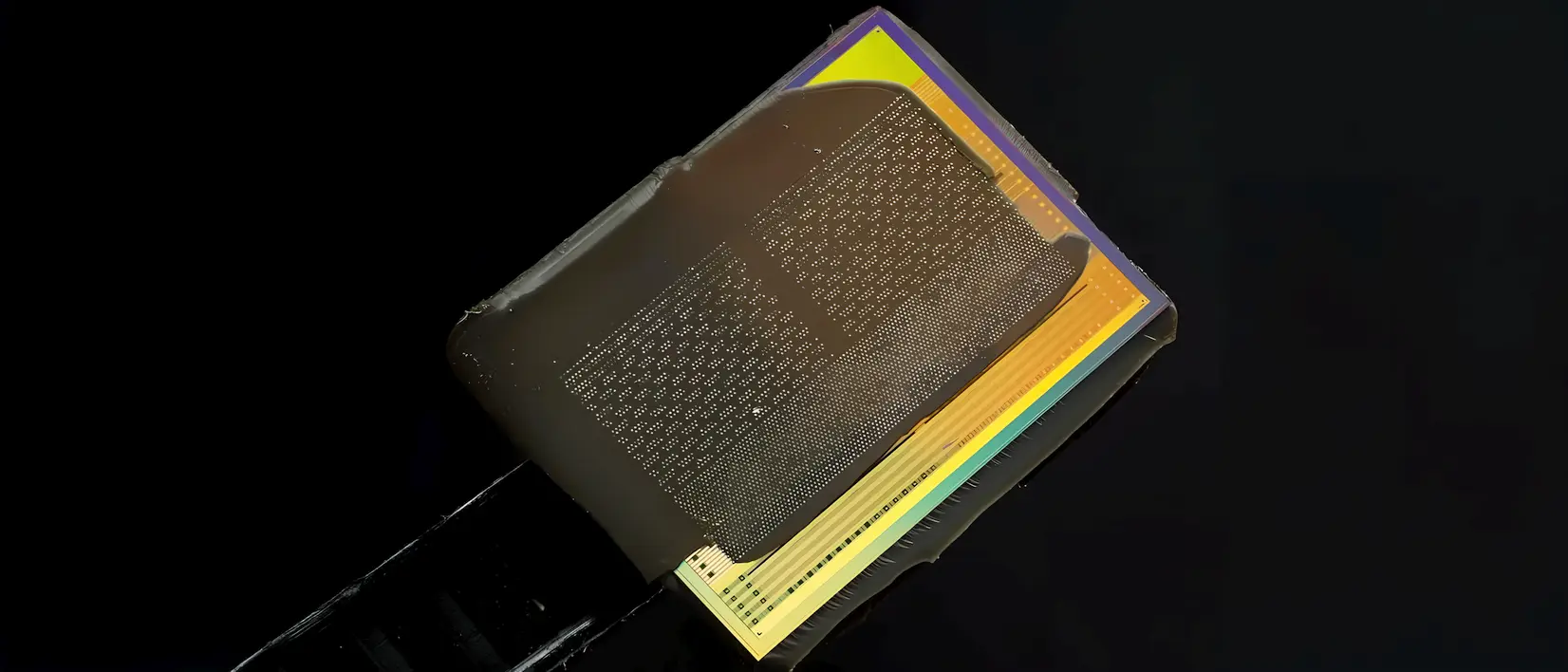 High-Bandwidth Memory (HBM) chip, which uses 3D-stacked DRAM dies to provide high-speed data transfer. Credit: Google
So far, this situation has not caused a broad disruption of the ground segment supply chain and many manufacturers seem to be coping with the existing demand without any significant delays to end customers. For the time being, existing stock buffers, long-term supplier contracts and components that were ordered ahead of the current squeeze have helped to moderate the effects, and production schedules have been maintained with only minor deviations. But this relative calm should not be confused with immunity from the overall trend, as the rate of LEO expansion is still increasing and the number of new terminals needed over the next few years is likely to grow substantially. If memory prices keep rising and legacy parts availability continues to become more limited as forecasted, the industry could look quite different in a year or two, especially for smaller manufacturers that don’t have the buying power of the biggest suppliers, who may find themselves bidding for a limited supply of memory against much larger buyers from other industries.
New Entrants and the Uncertain Path to Relief
One factor that could eventually ease pressure on legacy memory supply is the rise of new manufacturers outside the traditional trio of Samsung, SK Hynix and Micron. A memory producer called CXMT has grown from a minor player earlier in the decade into the world’s fourth largest DRAM maker, reportedly holding somewhere between four and eight percent of global market share in 2025 depending on how that share is measured. The company has expanded its wafer output substantially since 2020 and has pursued an aggressive path toward a major public listing, signaling ambitions to compete more directly with the established leaders. Whether this new capacity will meaningfully relieve pressure on legacy DDR4 supply remains an open question. CXMT’s expansion has been shaped in part by export restrictions on advanced manufacturing equipment, which limit how quickly it can scale certain production lines, and much of its growth so far has focused on markets outside the specialized needs of telecom and satellite ground equipment. New fabrication capacity from the established manufacturers is also years away from coming online, with several major projects not expected to contribute meaningfully to supply until 2027 or 2028.
Given these timelines, satellite ground segment manufacturers and the operators who depend on them have good reason to watch the memory market closely rather than assume today’s relatively stable conditions will continue unchanged. None of this means panic is warranted today, since current terminal and gateway production appears to be continuing without major public disruption in the industry. It does mean that procurement teams would benefit from building extra lead time into component orders and from mapping which parts of their product lines still depend on legacy DRAM families, while diversifying supplier relationships before shortages become acute. That kind of foresight tends to be far less costly than scrambling for alternatives once lead times stretch into many months, and it could spare ground segment manufacturers considerable disruption once the broader AI-driven memory boom fully works its way through the supply chain.